

Five projects receive funding to support public engagement
Research Data Scotland (RDS) has awarded over £34,000 to five projects through its Public Engagement Fund in 2025-26.
15 Jan 2025
Led by: The SCONe project, University of Edinburgh
Funding awarded: £6,925

The SCONe project, whose staff are based largely at the University of Edinburgh, aims to improve health outcomes by establishing a comprehensive repository of retinal images from optometry practices across Scotland.
Supported by the RDS Public Engagement Fund, the project team created age-appropriate, participant-driven resources that raise public awareness of the value of retinal images as data in healthcare research.
The term ‘data’ covers a wide range of information, which can make it challenging for the public to engage in discussions about data research. Using the SCONe project as an example, the team worked with the public to break down complex ideas into tangible examples.
Working with participants, they explored the implications of using – or not using – health data in research around disease prevention, care and early detection.
The project consisted of three phases:
Find out more about the project in this video, recorded as part of the RDS Public Engagement Fund showcase in early 2026.
The outputs from the project resulted in a set of participant-led recommendations for researchers on how to communicate and engage with the public about health data.
These recommendations were published in a findings report which summarised the activities, discussions, and insights from the project.
A public-facing video was identified by participants and the PPI group as an important additional output to communicate the value of the project, and the video can be watched below:
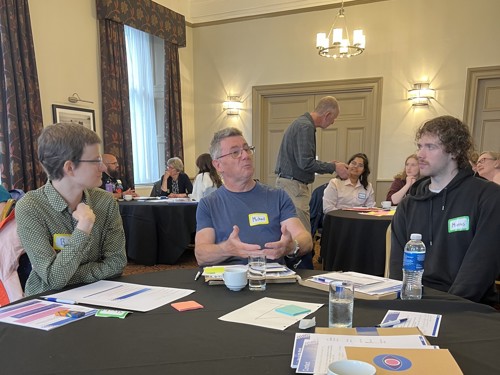
The project team aimed to include participants that reflect the range of demographics included in the SCONe repository, with a focus on young adults (18 to 25) and older adults (60+).
The team identified that there are often limited opportunities for participants from these generations to come together and engage in meaningful dialogue. Through the project, they focused on engaging with participants of a mix of ages, providing perspectives from people who haven’t grown up with technology and younger people with a digitally centred background.
The project team were successful in bridging the generational gap, engaging with nine 18 to 25 year olds and eight aged 60+ through the workshop.
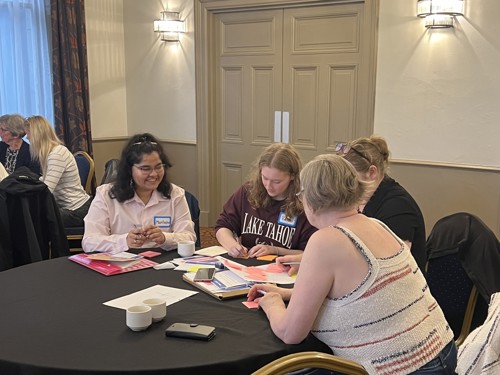
“Knowing the project was developed with patients and public representatives from the beginning, not just consulted at the end, made the experience feel genuinely collaborative.”
“Data Conversations shows that meaningful engagement is possible, but only when researchers are willing to open the conversation to discomfort and disagreement, and recognise that meaningful engagement changes everyone involved, not just the public.”
“We cannot expect the public meet us only in our world of objectivity and abstraction. We also have to meet them in theirs—in the world of stories, feelings, fears, and hopes.”
“This wasn't just a box-ticking exercise; it was a project that valued my time and perspectives.”
Related content
Research Data Scotland (RDS) has awarded over £34,000 to five projects through its Public Engagement Fund in 2025-26.
15 Jan 2025
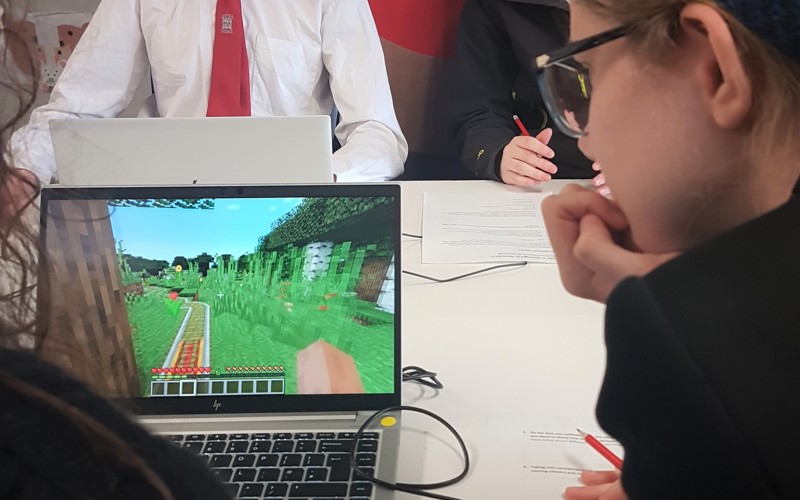
Public Engagement Manager, Katie Oldfield, reflects on our 2022-23 Public Engagement Fund and the impact of the projects it has supported.
Katie Oldfield
11 Mar 2024
To stay updated with Research Data Scotland, subscribe to our monthly newsletter and follow us on LinkedIn.